(205) 633-3606

Follow Us
Like Us

Blog

When the Achilles Tendon Is Injured

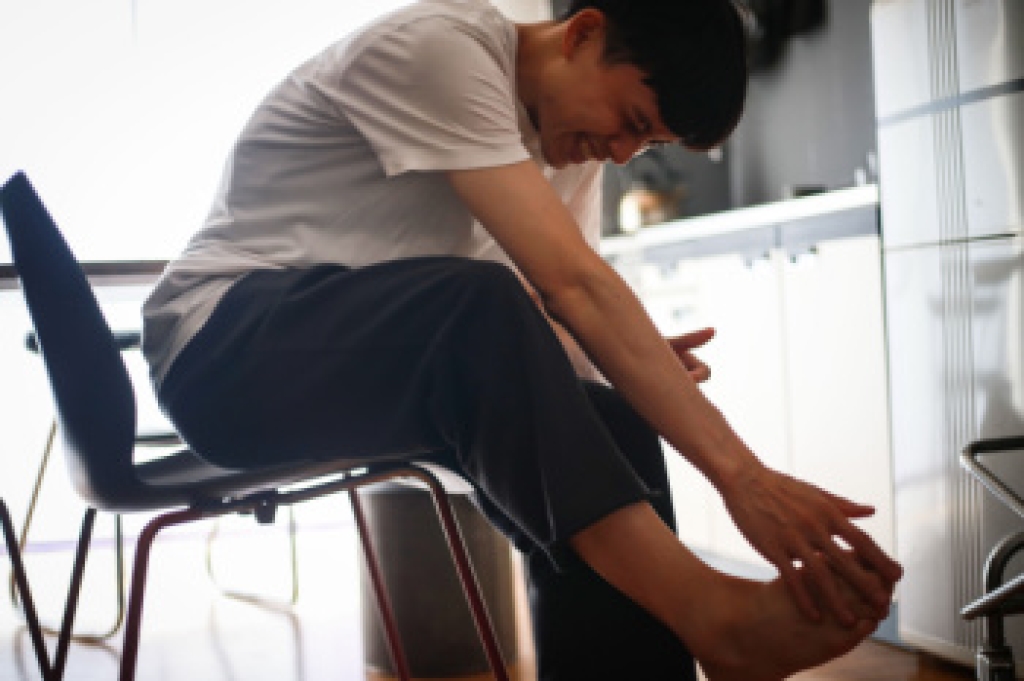
The Achilles tendon is the strong band of tissue that connects the calf muscles to the heel bone. It plays an important role in walking, running, and pushing the foot off the ground. Because it handles so much force, the tendon is vulnerable to injury. Overuse, sudden increases in activity, tight calf muscles, or poor foot mechanics can lead to irritation known as Achilles tendinitis. People may notice stiffness, swelling, or pain in the back of the heel, especially after exercise. In more severe cases, the tendon can partially tear or rupture completely. A rupture often occurs during sudden movement and may feel like a sharp pop followed by difficulty walking. Early evaluation is important because untreated injuries can worsen and affect mobility. Proper diagnosis allows for appropriate treatment, which may include immobilization, therapy, or other medical care. If you experience pain or sudden weakness in the back of the heel, it is suggested that you see a podiatrist for a proper diagnosis and appropriate treatment.

Achilles tendon injuries need immediate attention to avoid future complications. If you have any concerns, contact Dr. Robert Hope of Riverside Podiatry. Our doctor can provide the care you need to keep you pain-free and on your feet.

What Is the Achilles Tendon?

The Achilles tendon is a tendon that connects the lower leg muscles and calf to the heel of the foot. It is the strongest tendon in the human body and is essential for making movement possible. Because this tendon is such an integral part of the body, any injuries to it can create immense difficulties and should immediately be presented to a doctor.

What Are the Symptoms of an Achilles Tendon Injury?

There are various types of injuries that can affect the Achilles tendon. The two most common injuries are Achilles tendinitis and ruptures of the tendon.

Achilles Tendinitis Symptoms

  • Inflammation
  • Dull to severe pain
  • Increased blood flow to the tendon
  • Thickening of the tendon

Rupture Symptoms

  • Extreme pain and swelling in the foot
  • Total immobility

Treatment and Prevention

Achilles tendon injuries are diagnosed by a thorough physical evaluation, which can include an MRI. Treatment involves rest, physical therapy, and in some cases, surgery. However, various preventative measures can be taken to avoid these injuries, such as:

  • Thorough stretching of the tendon before and after exercise
  • Strengthening exercises like calf raises, squats, leg curls, leg extensions, leg raises, lunges, and leg presses

If you have any questions please feel free to contact our office located in Tuscaloosa, AL . We offer the newest diagnostic tools and technology to treat your foot and ankle needs.


Read more about Achilles Tendon Injuries

Do Your Child's Feet Hurt?

Have your child's feet been examined lately? Healthy feet are happy feet. If your child is complaining of foot pain, it may be a sign of underlying problems.

How Children’s Feet Grow and Change

Children’s feet go through many changes as they grow. At birth, the foot is soft and flexible, with bones that are still forming. As a child begins to stand, walk, and run, the structures of the foot gradually strengthen and develop. Muscles, ligaments, and bones work together to support balance and movement. It is common for young children to appear flat-footed because a layer of soft tissue hides the developing arch. As growth continues, the arch usually becomes more visible. However, some children may experience discomfort, unusual walking patterns, or fatigue in their feet or legs. These concerns can sometimes be linked to alignment differences or other structural factors. Early attention can help support healthy development and comfortable movement. If you notice ongoing foot pain, frequent tripping, or uneven shoe wear in your child, it is suggested that you seek an evaluation by a podiatrist to determine the cause and guide appropriate treatment.

Making sure that your children maintain good foot health is very important as they grow. If you have any questions, contact Dr. Robert Hope of Riverside Podiatry. Our doctor can provide the care you need to keep you pain-free and on your feet.

Keeping Children's Feet Healthy

Having healthy feet during childhood can help prevent medical problems later in life, namely in the back and legs. As children grow, their feet require different types of care. Here are some things to consider...

Although babies do not walk yet, it is still very important to take care of their feet.

Avoid putting tight shoes or socks on his or her feet.

Allow the baby to stretch and kick his or her feet to feel comfortable.

As a toddler, kids are now on the move and begin to develop differently. At this age, toddlers are getting a feel for walking, so don’t be alarmed if your toddler is unsteady or ‘walks funny’. 

As your child gets older, it is important to teach them how to take care of their feet.

Show them proper hygiene to prevent infections such as fungus.

Be watchful for any pain or injury.

Have all injuries checked by a doctor as soon as possible.

Comfortable, protective shoes should always be worn, especially at play.

If you have any questions, please feel free to contact our office located in Tuscaloosa, AL . We offer the newest diagnostic and treatment technologies for all your foot care needs.

Read more about How to Care for Your Child's Feet

Managing Flare-Ups From Gout

Gout flare-ups can cause intense foot pain, especially in the big toe, where uric acid crystals build up in the joint and lead to sudden swelling, warmth, and redness. These episodes often begin without warning and make it difficult to put pressure on the foot or move the affected toe or ankle. Gout is a type of chronic  arthritis that is long-term and treatable, but not curable. Repeated gout flares can occur if uric acid levels rise again. Shoes with inadequate support, prolonged standing, and dehydration can place extra stress on sensitive joints and worsen discomfort during a gout flare. Untreated gout can damage the soft tissue inside the affected joint and increase the risk of serious kidney problems. A podiatrist can evaluate joint swelling, test uric acid levels to confirm the diagnosis, and prescribe medication to help reduce symptoms. If you have pain from gout, it is suggested that you make an appointment with a podiatrist for an exam and managed care.

Gout is a painful condition that can be treated. If you are seeking treatment, contact Dr. Robert Hope from Riverside Podiatry. Our doctor will treat your foot and ankle needs.

What Is Gout?

Gout is a form of arthritis that is characterized by sudden, severe attacks of pain, redness, and tenderness in the joints. The condition usually affects the joint at the base of the big toe. A gout attack can occur at any random time, such as the middle of the night while you are asleep.

Symptoms

  • Intense Joint Pain - Usually around the large joint of your big toe, and it most severe within the first four to twelve hours
  • Lingering Discomfort - Joint discomfort may last from a few days to a few weeks
  • Inflammation and Redness -Affected joints may become swollen, tender, warm and red
  • Limited Range of Motion - May experience a decrease in joint mobility

Risk Factors

  • Genetics - If family members have gout, you’re more likely to have it
  • Medications - Diuretic medications can raise uric acid levels
  • Gender/Age - Gout is more common in men until the age of 60. It is believed that estrogen protects women until that point
  • Diet - Eating red meat and shellfish increases your risk
  • Alcohol - Having more than two alcoholic drinks per day increases your risk
  • Obesity - Obese people are at a higher risk for gout

Prior to visiting your podiatrist to receive treatment for gout, there are a few things you should do beforehand. If you have gout you should write down your symptoms--including when they started and how often you experience them, important medical information you may have, and any questions you may have. Writing down these three things will help your podiatrist in assessing your specific situation so that he or she may provide the best route of treatment for you.

If you have any questions, please feel free to contact our office located in Tuscaloosa, AL . We offer the newest diagnostic and treatment technologies for all your foot care needs.

Read more about Everything You Need to Know About Gout

Key Ideas in Modern Ankle Fracture Management

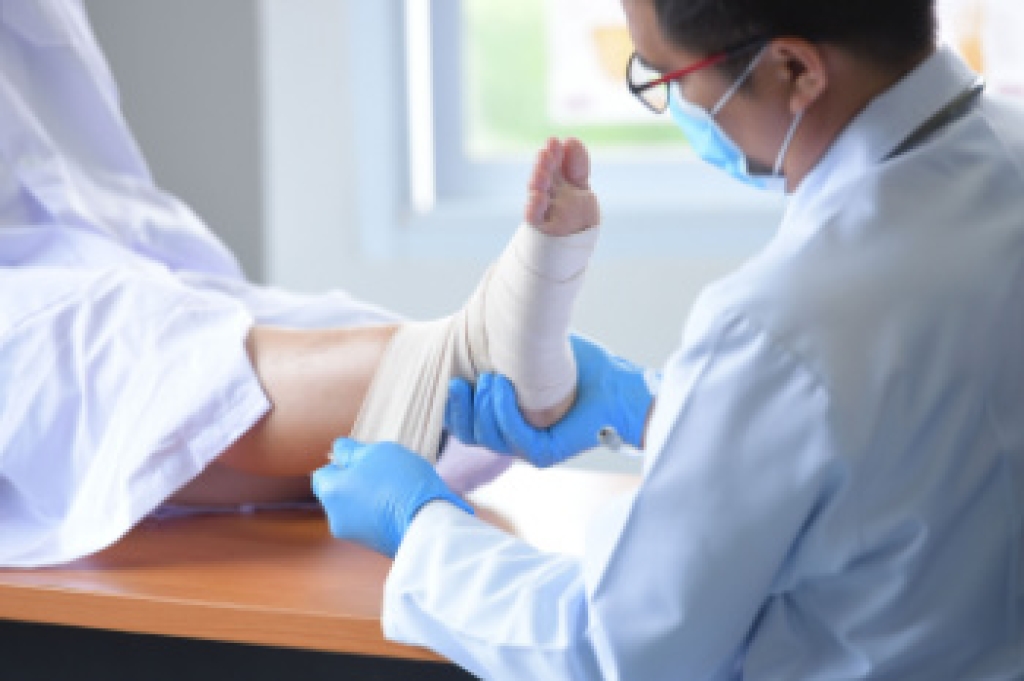
An ankle fracture is more than a broken bone. It affects how the ankle moves, bears weight, and stays stable. Treatment today focuses on restoring normal mechanics so the joint can function well long term. Fixing the back part of the ankle helps support the joint surface and improves overall stability. The syndesmosis, which connects the two lower leg bones, must be properly stabilized to keep the ankle aligned during walking. Repairing the deltoid ligament on the inner ankle may be needed when the joint remains unstable after bone repair. In some cases, the fibula on the outer ankle can be stabilized from the inside with a nail, which may reduce soft tissue disruption. Early, protected weightbearing is sometimes encouraged to promote healing and stiffness prevention. Because each fracture behaves differently, it is suggested that you see a podiatrist for individualized treatment planning.

Broken ankles need immediate treatment. If you are seeking treatment, contact Dr. Robert Hope from Riverside Podiatry. Our doctor can provide the care you need to keep you pain-free and on your feet. 

Broken Ankles
A broken ankle is experienced when a person fractures their tibia or fibula in the lower leg and ankle area. Both of these bones are attached at the bottom of the leg and combine to form what we know to be our ankle.

When a physician is referring to a break of the ankle, he or she is usually referring to a break in the area where the tibia and fibula are joined to create our ankle joint. Ankles are more prone to fractures because the ankle is an area that suffers a lot of pressure and stress. There are some obvious signs when a person experiences a fractured ankle, and the following symptoms may be present.

Symptoms of a Fractured Ankle

  • Excessive pain when the area is touched or when any pressure is placed on the ankle
  • Swelling around the area
  • Bruising of the area
  • Area appears to be deformed

If you suspect an ankle fracture, it is recommended to seek treatment as soon as possible. The sooner you have your podiatrist diagnose the fracture, the quicker you’ll be on the way towards recovery.

If you have any questions, please feel free to contact our office located in Tuscaloosa, AL . We offer the newest diagnostic and treatment technologies for all your foot care needs.

Read more about All About Broken Ankles
Connect with us