
Heel pain can negatively affect your day-to-day life. Simple activities like walking can become incredibly uncomfortable or painful due to heel pain.
Don’t live with heel pain and get treated.

(205) 633-3606


Heel pain can negatively affect your day-to-day life. Simple activities like walking can become incredibly uncomfortable or painful due to heel pain.
Don’t live with heel pain and get treated.
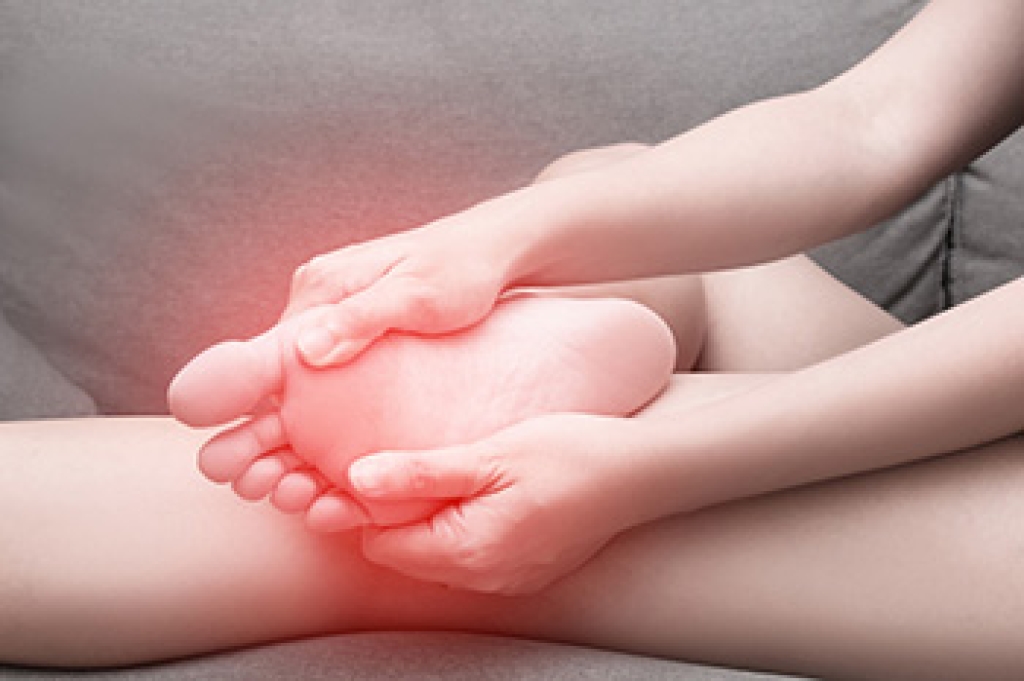
Systemic sclerosis is an autoimmune disease that causes abnormal changes in connective tissue. It is often associated with hardened or tightened skin, but its effects can extend deeper into the body. The feet may be affected because systemic sclerosis can involve blood vessels, nerves, joints, and surrounding tissues. These changes can make walking less comfortable and may alter the way the foot supports the body during daily activities.
Foot symptoms can include swelling, stiffness, and pain. Some people experience cold toes or changes in toe color because blood vessels can narrow during Raynaud's phenomenon. Tight skin may make the toes feel restricted and uncomfortable inside shoes. In some cases, small sores or ulcers can develop, especially when circulation is reduced. Risk factors include a personal or family history of autoimmune disease. Smoking and repeated cold exposure can also contribute to circulation problems.
The foot normally works as a flexible support system that absorbs impact and helps the body move forward. Systemic sclerosis can interfere with this process. Stiff skin or joints may reduce flexibility, while painful areas can cause a person to change their walking pattern. A podiatrist can evaluate circulation, sensation, and skin condition. They may also look at joint movement, and pressure areas. Treatment may involve protective footwear, pressure reduction, and regular monitoring. If a sore is present, the podiatrist can assess its severity and recommend appropriate care while watching for infection or delayed healing.
Living with systemic sclerosis does not mean you have to ignore changes in your feet. Simple daily checks can help you notice redness, swelling, or sores, early. Keeping the feet protected from pressure and cold can also be helpful. Because foot problems may become more difficult to manage when circulation is affected, early evaluation matters. If systemic sclerosis is affecting your feet, it is suggested that you consult a podiatrist for an accurate diagnosis and appropriate treatment.
Foot Pain
Foot pain can be extremely painful and debilitating. If you have a foot pain, consult with Dr. Robert Hope from Riverside Podiatry. Our doctor will assess your condition and provide you with quality foot and ankle treatment.
Causes
Foot pain is a very broad condition that could be caused by one or more ailments. The most common include:
Diagnosis
To figure out the cause of foot pain, podiatrists utilize several different methods. This can range from simple visual inspections and sensation tests to X-rays and MRI scans. Prior medical history, family medical history, and any recent physical traumatic events will all be taken into consideration for a proper diagnosis.
Treatment
Treatment depends upon the cause of the foot pain. Whether it is resting, staying off the foot, or having surgery; podiatrists have a number of treatment options available for foot pain.
If you have any questions, please feel free to contact our office located in Tuscaloosa, AL . We offer the newest diagnostic and treatment technologies for all your foot care needs.
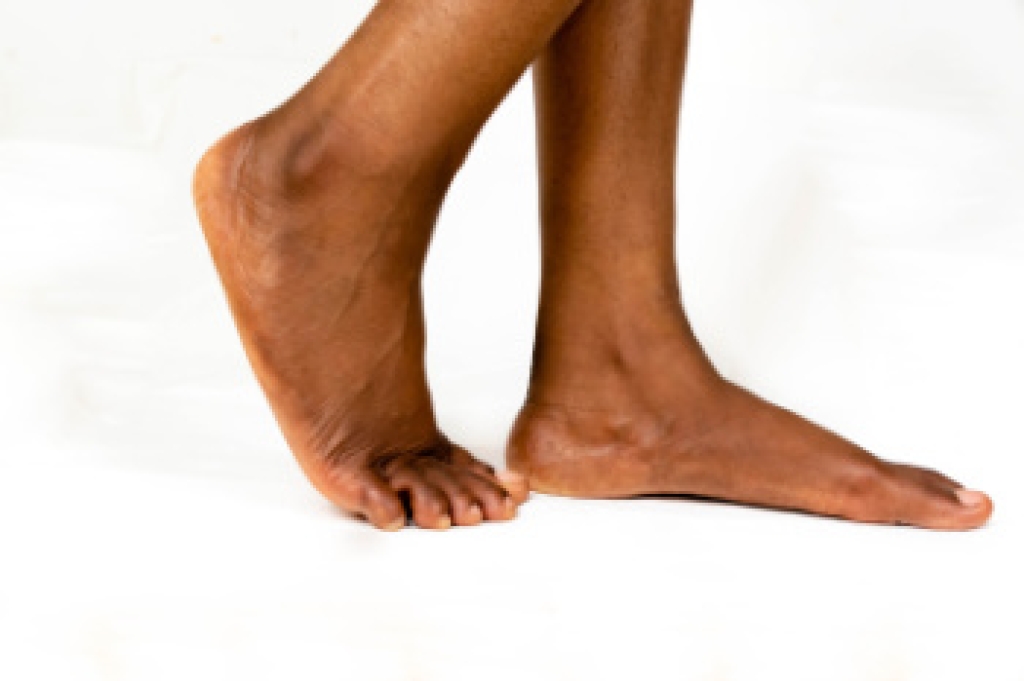
Flat feet occur when the arch along the inside of the foot is lower than usual or rests flat against the ground. Some people have flat feet without pain or difficulty, while others develop symptoms that affect normal daily movement. Pain or tiredness can occur in the feet, ankles, or legs, especially after physical activity. Stiffness and swelling can also develop in the feet or ankles. Another sign is uneven shoe wear, especially near the inside of the heel. Flat feet can affect one foot or both feet and can sometimes change the way a person walks.
Several factors can contribute to flat feet. In children, low arches are often part of normal development, and many children develop arches as they grow. Flat feet can also run in families. Tight muscles or tendons can affect the arch, and excess body weight can place added stress on the feet. Some patients develop flat feet later in life as the arch flattens. When flat feet cause pain, stiffness, or difficulty walking, an evaluation can help determine how the condition is affecting foot function.
A podiatrist can examine the feet while a patient is standing and walking to evaluate arch shape and movement. The assessment can also consider pain and problems with running or sports. When treatment is appropriate, a podiatrist can recommend orthotics, which are special shoe inserts designed to support the feet and manage related pain. A podiatrist can also recommend shoes that provide proper support and fit the natural shape of the foot. Treatment depends on symptoms and how flat feet affect movement. If you have symptoms of flat feet, it is suggested that you schedule an appointment with a podiatrist for diagnosis and treatment.
Flatfoot is a condition many people suffer from. If you have flat feet, contact Dr. Robert Hope from Riverside Podiatry. Our doctor will treat your foot and ankle needs.
What Are Flat Feet?
Flatfoot is a condition in which the arch of the foot is depressed and the sole of the foot is almost completely in contact with the ground. About 20-30% of the population generally has flat feet because their arches never formed during growth.
Conditions & Problems:
Having flat feet makes it difficult to run or walk because of the stress placed on the ankles.
Alignment – The general alignment of your legs can be disrupted, because the ankles move inward which can cause major discomfort.
Knees – If you have complications with your knees, flat feet can be a contributor to arthritis in that area.
Symptoms
Treatment
If you are experiencing pain and stress on the foot you may weaken the posterior tibial tendon, which runs around the inside of the ankle.
If you have any questions, please feel free to contact our office located in Tuscaloosa, AL . We offer the newest diagnostic and treatment technologies for all your foot care needs.
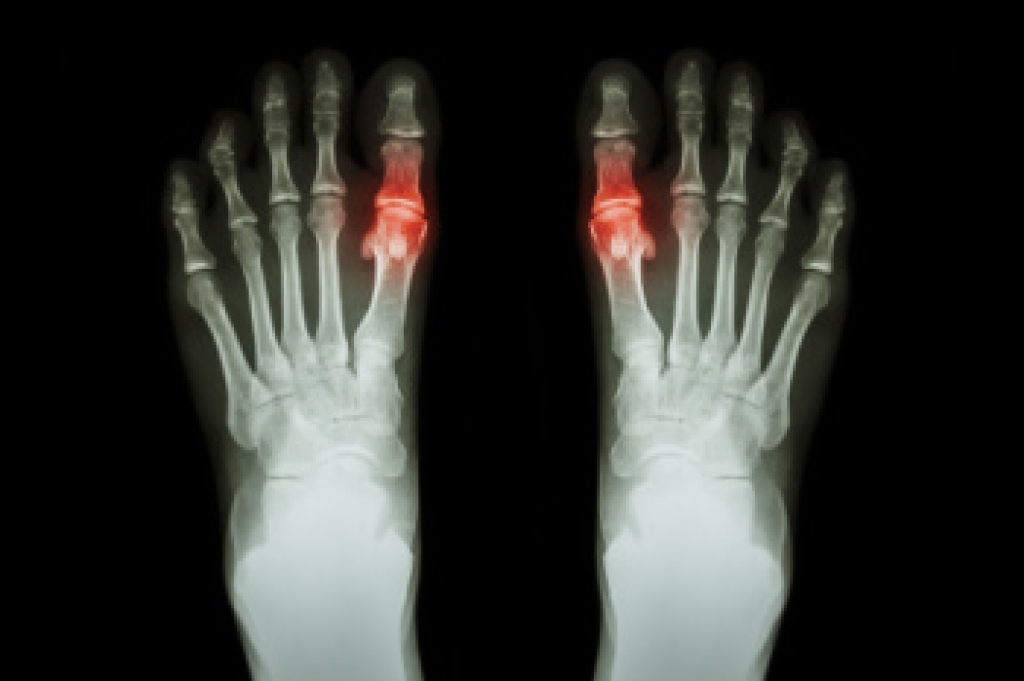
Gout is a form of inflammatory arthritis that develops when uric acid builds up in the blood and forms sharp crystals in a joint. These crystals can trigger sudden inflammation, making gout extremely painful. Gout commonly affects the big toe because the joint is relatively cool and receives repeated pressure from walking. Lower temperatures can encourage crystal formation. Recognizing gout symptoms can help you seek care before pain becomes difficult to manage.
A gout attack often begins suddenly, sometimes during the night. The big toe may become intensely painful, swollen, and extremely tender. Even light contact from bedding or a shoe can feel uncomfortable. Some people notice shiny skin around the affected joint. Without treatment, an attack may last for days. Repeated flares can damage the joint and contribute to the formation of tophi, which are firm deposits of uric acid crystals beneath the skin.
Several factors can increase gout risk. High uric acid levels are the main cause, but kidney problems can make it harder for the body to remove uric acid. Family history can also play a role. Certain medications, dehydration, and a diet high in purine-rich foods may increase risk. Obesity and some metabolic conditions can further contribute. A podiatrist can review your symptoms and examine the foot. Testing may also help confirm the diagnosis.
Treatment depends on the severity and frequency of attacks. A podiatrist may recommend rest, supportive footwear, and measures that reduce pressure on the painful joint. Medication may help control inflammation and pain during an acute flare. Long-term care may focus on lowering uric acid levels and preventing future attacks with guidance from your healthcare provider. If you have intense pain in your big toe, or other symptoms of gout, it is suggested that you are under the care of a podiatrist who can help you to manage this painful condition.
Gout is a painful condition that can be treated. If you are seeking treatment, contact Dr. Robert Hope from Riverside Podiatry. Our doctor will treat your foot and ankle needs.
What Is Gout?
Gout is a form of arthritis that is characterized by sudden, severe attacks of pain, redness, and tenderness in the joints. The condition usually affects the joint at the base of the big toe. A gout attack can occur at any random time, such as the middle of the night while you are asleep.
Symptoms
Risk Factors
Prior to visiting your podiatrist to receive treatment for gout, there are a few things you should do beforehand. If you have gout you should write down your symptoms--including when they started and how often you experience them, important medical information you may have, and any questions you may have. Writing down these three things will help your podiatrist in assessing your specific situation so that he or she may provide the best route of treatment for you.
If you have any questions, please feel free to contact our office located in Tuscaloosa, AL . We offer the newest diagnostic and treatment technologies for all your foot care needs.
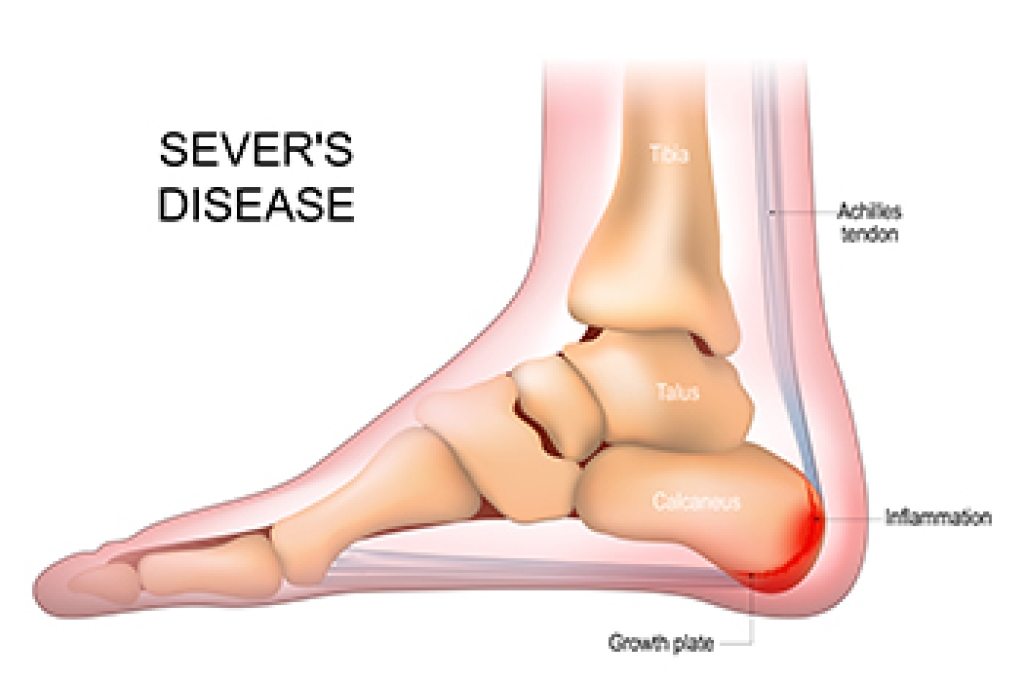
Sever’s disease is a common cause of heel pain in children, especially during periods of rapid growth. Despite the name, it is not actually a disease, but an irritation of the growth plate at the back of the heel where the Achilles tendon attaches. This problem often develops in active children who participate in running or jumping sports, as repeated pulling on the heel can lead to pain, tenderness, or limping. Relief focuses on reducing strain and allowing the irritated area to recover while the child continues to grow. A podiatrist may recommend supportive footwear, stretching programs, temporary activity adjustments, or custom orthotics to improve foot function and reduce stress on the heel. In some cases, additional support may be needed if pain becomes more persistent. Most children improve with appropriate treatment and time. If your child continues to experience heel pain during activity or walking, it is suggested that you visit a podiatrist for a proper diagnosis and appropriate relief tips.
Sever's disease often occurs in children and teens. If your child is experiencing foot or ankle pain, see Dr. Robert Hope from Riverside Podiatry. Our doctor can treat your child’s foot and ankle needs.
Sever’s Disease
Sever’s disease is also known as calcaneal apophysitis, which is a medical condition that causes heel pain I none or both feet. The disease is known to affect children between the ages of 8 and 14.
Sever’s disease occurs when part of the child’s heel known as the growth plate (calcaneal epiphysis) is attached to the Achilles tendon. This area can suffer injury when the muscles and tendons of the growing foot do not keep pace with bone growth. Therefore, the constant pain which one experiences at the back of the heel will make the child unable to put any weight on the heel. The child is then forced to walk on their toes.
Symptoms
Acute pain – Pain associated with Sever’s disease is usually felt in the heel when the child engages in physical activity such as walking, jumping and or running.
Highly active – Children who are very active are among the most susceptible in experiencing Sever’s disease, because of the stress and tension placed on their feet.
If you have any questions, please feel free to contact our office located in Tuscaloosa, AL . We offer the newest diagnostic and treatment technologies for all your foot care needs.